

Calista Rieken
I usually best help students that look for improvement in 2 areas: logic/reasoning, and confidence/strategy. In terms of outcomes, I tend to focus less on numbers and more on confidence and strategy. I like to call it “filling your toolbox.” My end goal is for the student to feel capable, able to successfully break down complex passages, data, research methodologies, and questions. In my sessions, I enjoy doing passages together and workshopping our train of thought, cleaning up our content mental models along the way. I discourage memorization; instead, I prefer to coach students through the founding principles of a concept so that they understand it. This way, the student builds skills for any type of question they may encounter. Students describe my teaching style as very reasoning-heavy, focused on sense and pattern-recognition.
I went to the University of Virginia for undergrad, where I studied biology and studio art. Then I went to Boston University, where I got my master’s in medical science. My coaching is influenced primarily by being an avid language-learner and a kids’ horse polo coach. In learning languages, I believe the “false god” is the same as in the MCAT. Sure, I could memorize the most common 1,000 words. But would I be able to have a conversation? No. This applies to the MCAT as well – sure, I could memorize all the reaction mechanisms and formulas my heart desires. But at the end of day, I cannot work with a library of facts any more than I can speak a language with a bunch of memorized words. This is why we need active practice and output. In polo coaching, we focus on mentality. We want our players to be level-headed on game day, so that they can make split-second decisions under pressure. In the MCAT, test day strategy is akin to game-day strategy.
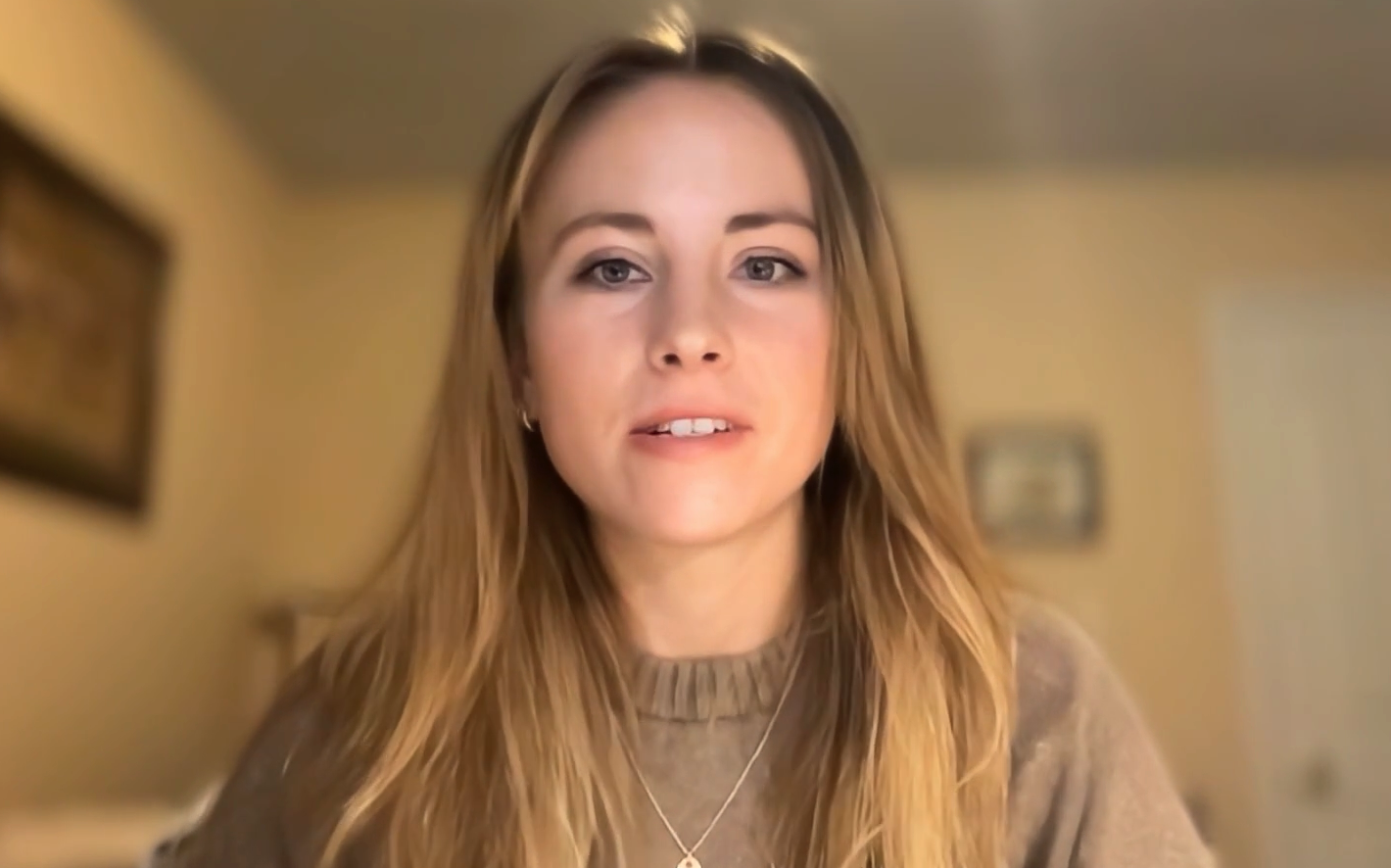

The part I enjoy the most about teaching is when I see both academic and personal growth in my students. My favorite thing to hear is, “That wasn’t so hard!” More than high scores, I love seeing confidence and the ability to do the hard thing. I love seeing my students develop the critical thinking skills and can-do attitude that will help them not only as MCAT takers, but as future physicians.
My goals and teaching style speak to the common pitfalls I see frequently in students: external loci of control, self-doubt, and the belief that they must learn libraries worth of material to succeed. These mentalities feed burnout and frustration, and these students tend to get overwhelmed quickly (understandably so). I see students improve the fastest when they change their inner voice. Initial anxiety can be reframed into, “What do I recognize?” “What is familiar?” “What is new, and what clues do I have about this new thing in the passage?” These voices are much more helpful and can make a world of difference. For me, accountability looks like commitment to improve in these areas. Accountability outside of sessions includes doing the agreed-upon work and returning with questions. Accountability within the sessions themselves is receptiveness to try new strategies and ways of thinking, and the openness to step outside of our comfort zones together.When I am not MCAT coaching, you can find me outside with my friends and animals, in my art studio, or travelling! I thrive in anything creative and social – even better if it’s both.